

Bestseller
Asha 5 · Clay
Batch No. 07 · on the looms now
Woven, not poured.
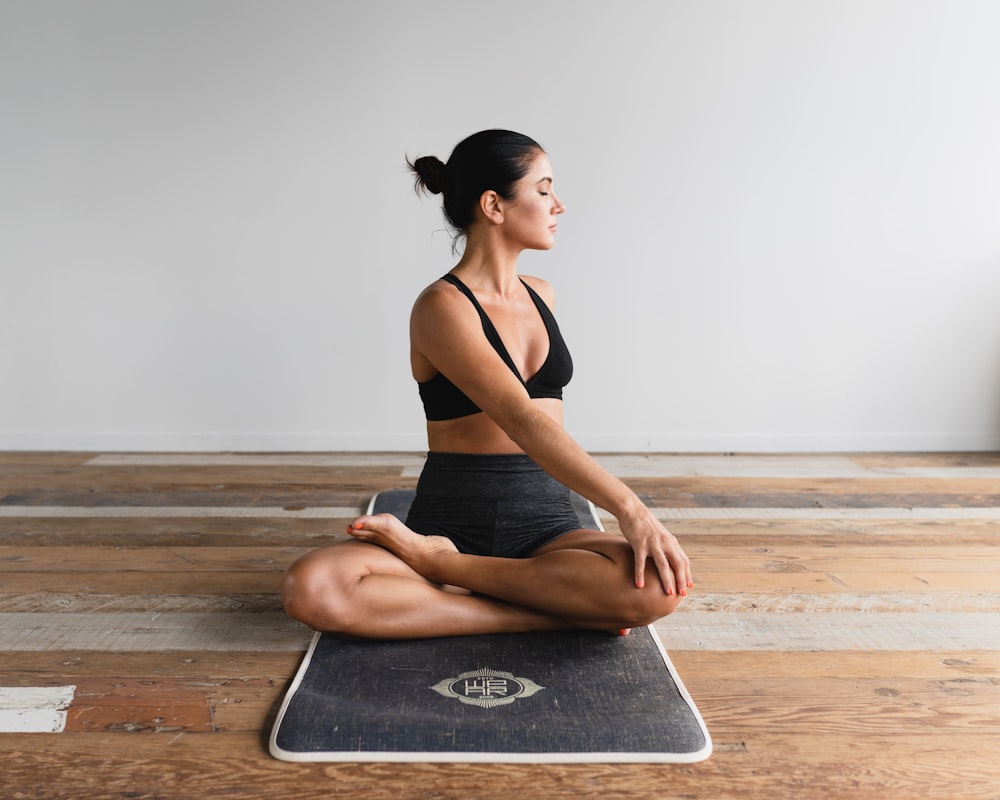
Most yoga mats begin in a chemical vat. Ours begin on a loom: rain-fed cotton, dyed with turmeric root and river clay. Grippy when you sweat. Softer every year.
4.9 / 5212 reviews
11 daysper mat
0plastic, ever
The mat industry runs on petroleum. We run on rain-fed cotton, river clay, and the patience of nine looms in a courtyard that smells of turmeric.
A note from the loomhouse
Zenomaura began with a question: what did people practice on for the two thousand years before PVC? The answer, woven cloth, turned out to be better. It grips through sweat, washes like a garment, and composts when its work is done.
11 daysto weave one mat
23picks per inch, by hand
2.4×the regional wage, paid
Three rooms
Choose your ground
Everything we weave belongs to one of three rooms: where you move, where you sit, and where you live.
Most practiced on
View all twelve
Bestsellers
Veda 7 · Moss
Veda 7 · Moss
$148
New
Nila 3 · Indigo
Nila 3 · Indigo
$95Practice is a place. Build it well.The First Light Set · mat, strap & incense · $159
From field to floor
Eleven days, four hands
A Zenomaura mat takes eleven days to make. Here is where those days go.

01
Grown
Rain-fed organic cotton from family farms. No pesticides, traceable to the field.
02
Dyed
Color from turmeric root, indigo leaf and river clay. Every dye lot is its own.
03
Woven
Handloomed at 23 picks per inch, by weavers paid 2.4× the regional wage.
04
Returned
Years from now, post it back. We compost the cotton into the next crop.
"The loom doesn't hurry. Neither should the practice."
“Two years of daily ashtanga and it grips better now than the day it arrived. My rubber mat never survived one summer.”
“I bought it for the ethics and stayed for the smell of the room when I unroll it. It's cloth, not plastic. You feel it immediately.”
“The Nila folds into my carry-on. Practiced in six airports this year. Washed it in a hotel sink once; it dried overnight.”